What to Know Before Your First Treatment
Microneedling has become one of the most discussed skin treatments in recent years, and for good reason. But if you’ve never had it done before, walking into your first appointment without any context can feel overwhelming. What do you do beforehand? What should you avoid? How do you know if the provider you’re seeing is the right fit? This guide covers what most people wish they’d known before their first microneedling session.
What to Avoid in the Days Before Your Appointment
Preparing your skin properly before microneedling makes a meaningful difference in how your skin tolerates the treatment and recovers afterward. In the days leading up to your appointment, most providers recommend:
- Discontinuing retinoids, exfoliating acids (AHAs and BHAs), and vitamin C serums for at least 3–5 days before your session, as these can increase skin sensitivity
- Avoiding prolonged sun exposure and tanning for at least a week prior
- Not waxing, threading, or using depilatory creams on the treatment area in the days before
- Staying well-hydrated and keeping the skin moisturized in the lead-up to treatment
Arrive with clean, bare skin on the day of your appointment, no makeup, lotions, or active serums.
Is Microneedling Painful? What to Actually Expect
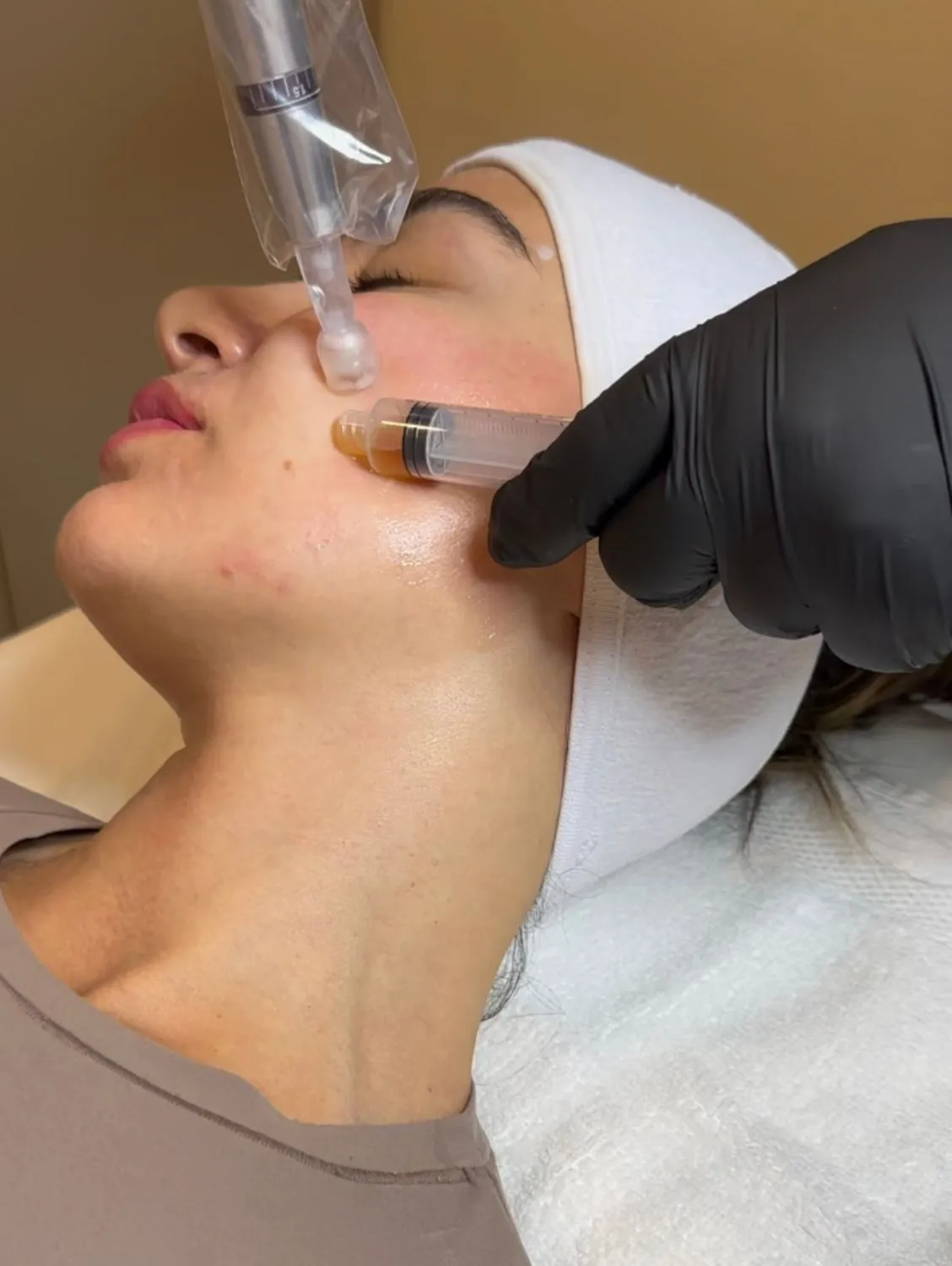
This is one of the most common questions people ask before their first appointment. The honest answer is that it varies. Most providers apply a topical numbing cream 20–30 minutes before treatment, which significantly reduces discomfort. With numbing, most people describe the sensation as mild pressure or a slight scratching feeling rather than pain.
Some areas, particularly around the forehead, nose, and jawline, tend to be more sensitive than others. The overall experience depends on the depth of the treatment and individual pain tolerance.
After the session, the skin typically feels warm and looks flushed, similar to a mild sunburn. This usually settles within a day or two.
What Questions Should You Ask Before Booking?
Not all microneedling treatments are the same, and not all providers offer the same level of training or equipment. Before committing to an appointment, it’s worth asking:
- What device do you use, and is it FDA-cleared?
- Who performs the treatment, a licensed medical professional or a certified esthetician?
- What depth settings are used, and how are they determined for my skin?
- What aftercare do you provide, and what products should I avoid post-treatment?
- How many sessions do you typically recommend for my concern?
A provider who answers these questions clearly and without pressure is a good sign. If a clinic is reluctant to discuss their equipment or credentials, that’s worth noting.
What Makes Someone a Good Candidate?
Microneedling works well for a broad range of skin types and concerns, but it isn’t appropriate for everyone. It’s generally not recommended for people with active acne breakouts in the treatment area, open wounds, certain skin conditions like rosacea in an active flare, or a history of keloid scarring.
People who are pregnant, on blood thinners, or taking certain medications that affect healing may also need to postpone or avoid treatment. The best way to confirm whether you’re a candidate is through a consultation with a qualified provider who can assess your skin directly.
At The Skinn Suite in Burbank, every microneedling patient starts with a skin assessment before any treatment is recommended. Learn more about what we offer on our microneedling service or schedule a consultation to talk through your goals.
At-Home Devices vs. Professional Treatment; What’s the Difference?
Derma-rollers and at-home microneedling pens are widely available, and it’s tempting to try them as a more affordable alternative. The practical difference comes down to needle depth, hygiene, and consistency.
Professional devices penetrate to greater depths, which is where meaningful collagen stimulation occurs. At-home devices typically operate at surface-level depths that produce minimal results. More importantly, home devices are difficult to sterilize properly between uses, and dull needles, which develop quickly with repeated use, can cause micro-tears rather than clean channels.
For texture concerns, acne scars, or any meaningful skin goal, professional treatment from a licensed provider is the more effective and safer route.
How Long Before You See Results?
This is another area where expectations matter. Microneedling doesn’t produce overnight results, the process of collagen remodeling takes time. Most people begin to notice initial changes in skin texture within a few weeks. More visible improvements in tone, firmness, and scar appearance tend to develop over several months, particularly after a series of sessions.
If you’ve been researching microneedling alongside other treatment options, our post on Microneedling vs Morpheus8 covers how the two treatments compare for acne scars and skin texture.
Ready to take the next step? Schedule a consultation at The Skinn Suite in Burbank and we can walk through whether microneedling is the right fit for your skin.