IPL vs Chemical Peel: Which Suits Your Skin Goals?
When it comes to improving skin tone, reducing discoloration, and achieving a brighter complexion, two treatments are often compared: IPL and chemical peels. Both are popular skin rejuvenation options, but they work in very different ways and target different concerns.
If you’ve been wondering whether IPL or a chemical peel is the better choice for your skin goals, understanding the differences can help you choose a treatment that matches your skin type, concerns, downtime preferences, and long-term results.
IPL Treatments for Pigmentation and Redness
IPL stands for Intense Pulsed Light. It’s a light-based treatment that targets pigment and redness beneath the skin without damaging the surface layer. IPL photofacial treatments are commonly used for:
- Sun damage
- Brown spots
- Redness and rosacea
- Broken capillaries
- Uneven skin tone
- Mild signs of aging
Unlike lasers that use one wavelength, IPL uses broad-spectrum light to treat multiple concerns at once. The light energy heats pigment and blood vessels, allowing the body to naturally clear them over time.
Many patients looking for brighter, more even skin choose IPL because it can improve discoloration with minimal downtime.
Chemical Peels for Texture, Acne, and Skin Renewal
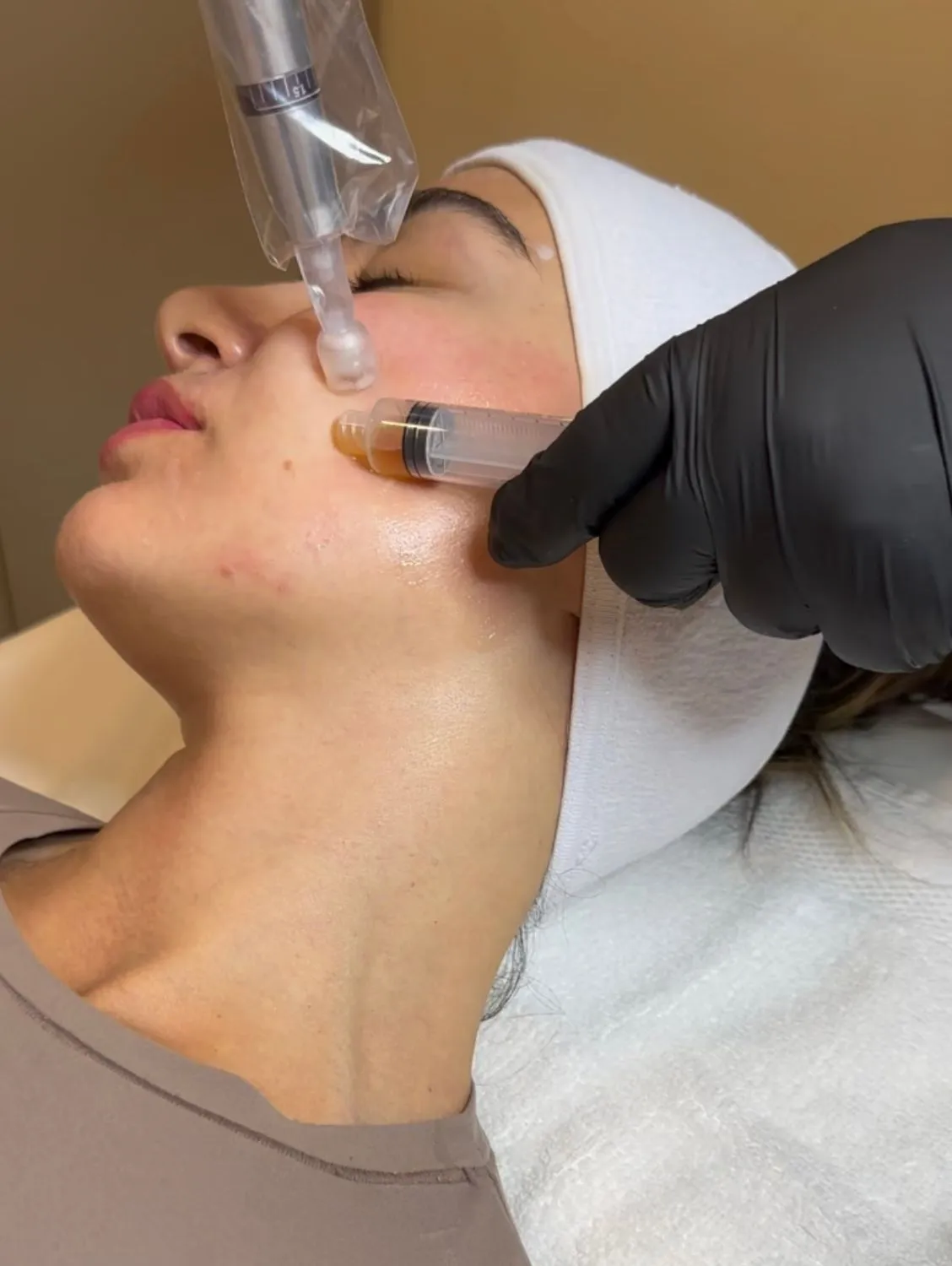
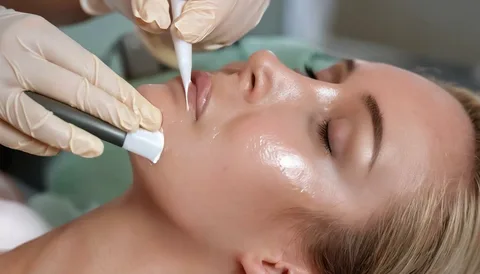
A professional chemical peel treatment uses a carefully selected acid solution to exfoliate the outer layers of skin. This process encourages skin cell turnover and reveals fresher, smoother skin underneath. Chemical peels can help with:
- Acne and acne scars
- Fine lines
- Dull skin
- Texture irregularities
- Hyperpigmentation
- Enlarged pores
Peels come in different strengths, ranging from light lunchtime peels to deeper resurfacing treatments. The right peel depends on your skin sensitivity, concerns, and desired results.
Many patients combine chemical peels with treatments like Microneedling or customized facials as part of a long-term skin maintenance plan.
The Main Difference Between IPL and Chemical Peels
Although both treatments improve skin appearance, they target concerns differently. IPL works beneath the surface of the skin to target pigment and redness, while chemical peels exfoliate the outer layers to improve texture and cell turnover.
Patients with visible discoloration, sun damage, or redness often respond well to IPL. Patients dealing with acne, rough texture, clogged pores, or dullness may benefit more from chemical peels.
In many cases, providers may recommend both treatments as part of a customized skincare plan.
Which Treatment Is Better for Acne Scars?
Chemical peels are generally more effective for acne scars, especially superficial scars and post-acne discoloration. IPL may help reduce red or brown marks left after acne, but it does not significantly improve deeper textural scarring.
For patients struggling with acne scars, treatments like Morpheus8 or microneedling may also be recommended alongside peels for more advanced collagen remodeling.
Which Option Works Better for Sun Damage?
IPL is often the preferred option for visible sun damage because it directly targets:
- Sun spots
- Freckles
- Pigmentation
- Redness caused by UV exposure
Many patients notice clearer, brighter skin after a series of IPL sessions. Chemical peels can also improve sun damage, particularly superficial pigmentation and rough texture, but IPL tends to produce faster results for visible discoloration.
Sensitive Skin Considerations
This depends on the cause of sensitivity. Patients with rosacea or visible redness may benefit more from IPL when performed carefully by experienced providers.
Patients with reactive or easily irritated skin may need gentler peel formulations rather than aggressive resurfacing treatments.
A professional skin consultation is important because certain peels or light-based treatments may not be ideal for every skin tone or sensitivity level.
Combining IPL and Chemical Peels
Yes. Many patients combine both treatments as part of a customized skin rejuvenation plan. For example:
- IPL can target redness and pigmentation
- Chemical peels can improve texture and glow
When properly spaced apart, these treatments can complement each other very well.
Patients often combine these with treatments like Botox or Dermal Fillers for more complete facial rejuvenation.
Choosing the Best Treatment for Your Skin Goals
IPL may be the better option if your main concerns include:
- Sun spots
- Redness
- Rosacea
- Uneven pigmentation
- Broken capillaries
Chemical peels may be better if you want to improve:
- Acne
- Texture
- Dullness
- Fine lines
- Mild acne scars
In many cases, the best results come from combining treatments strategically rather than choosing only one.At Skinn Suite, every treatment plan is customized based on your skin condition, sensitivity, and long-term goals so you can achieve natural-looking, healthy skin improvements over time.