Why Starting Microneedling Early Changes Your Skin’s Aging Path
If you’re in your late 20s or early 30s, you probably don’t feel like your skin is “aging.” You may not see deep lines. Your jawline still looks defined. Makeup sits smoothly. So when the idea of preventative microneedling treatment in your 20s and 30s comes up, the reaction is often hesitation: Isn’t that something I should wait for?
Not necessarily.
Collagen doesn’t disappear overnight. It declines gradually, quietly, long before visible wrinkles become permanent. By the time lines remain at rest, structural support has already weakened. Collagen banking is about strengthening that structure before breakdown accelerates.
Instead of reacting to aging, you prepare for it.
What Happens to Collagen in Your Late 20s and 30s
Collagen production begins to slow in the mid-20s. By your 30s, that decline becomes more noticeable, not dramatically, but biologically. Skin may look healthy on the surface while subtle changes develop underneath. You might notice slightly slower healing after breakouts. A faint crease that lingers longer than it used to. Texture that feels a little less smooth in certain lighting.
These shifts don’t require aggressive correction. They require maintenance.
When collagen levels are still relatively strong, stimulation treatments like microneedling work more predictably and often require less intensity. The skin responds efficiently because the foundation is intact. This is the window where preventative strategy makes the most sense.
What Collagen Banking Really Means
Collagen banking isn’t about over-treating young skin. It’s about building consistency.
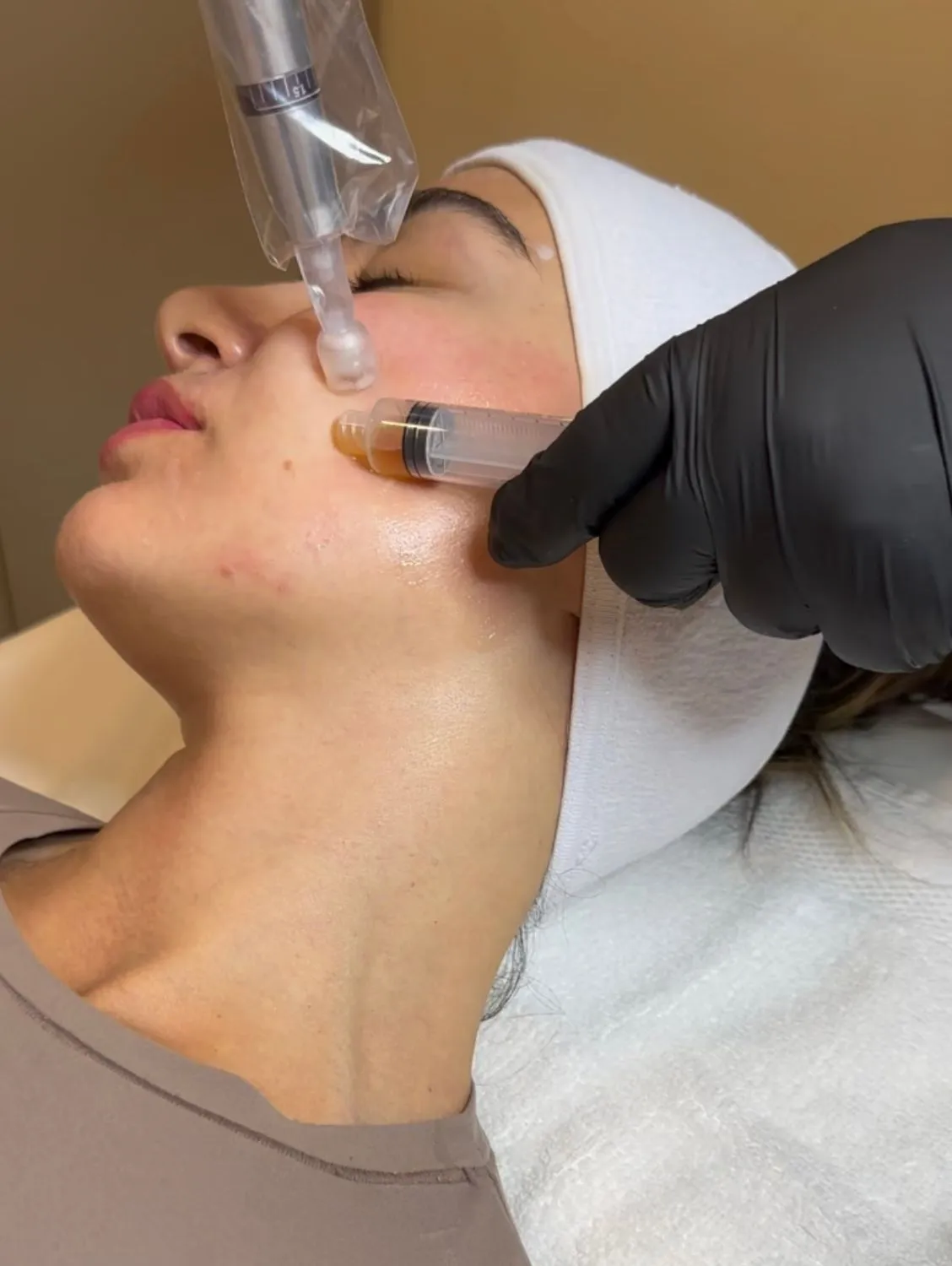
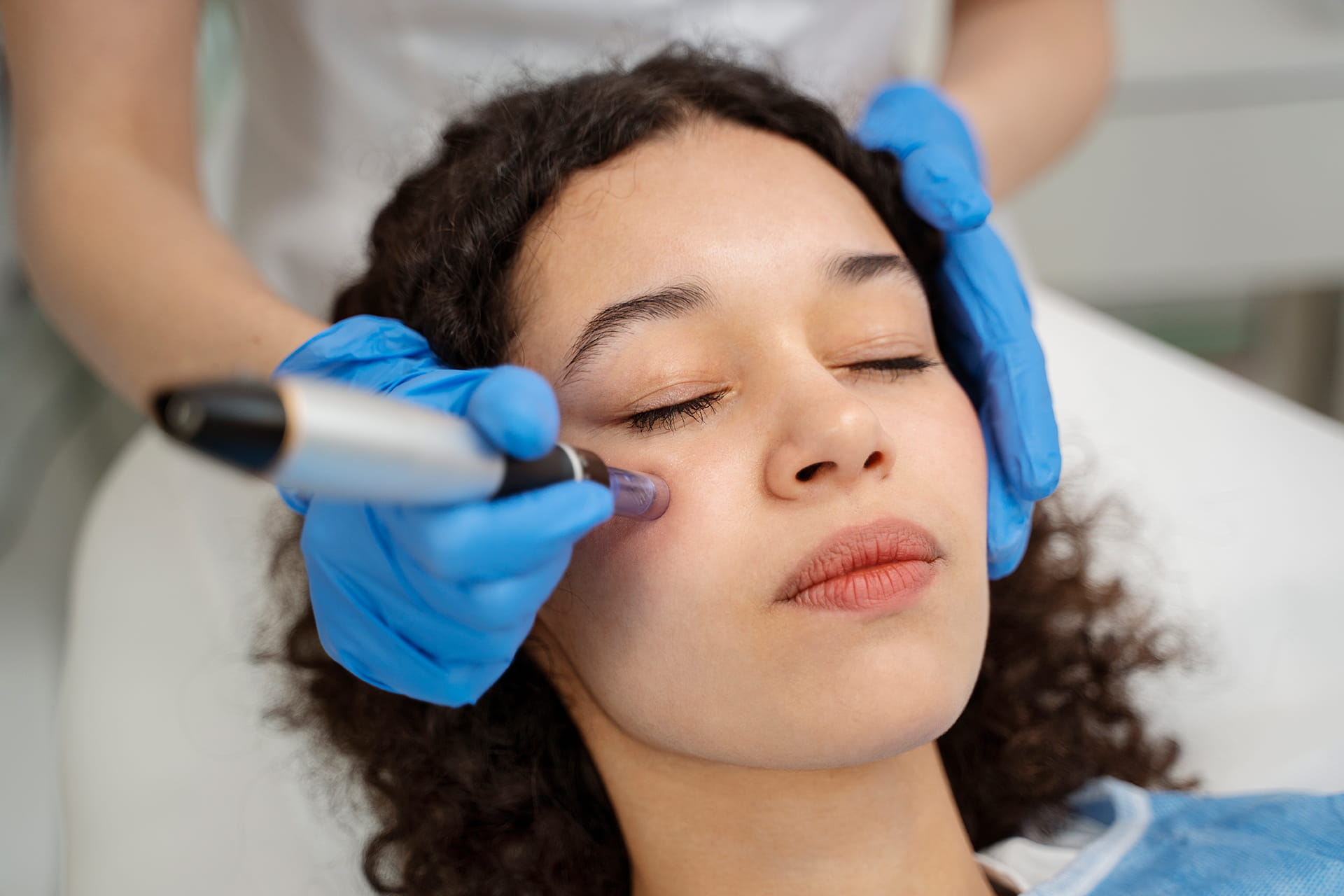
Microneedling creates controlled micro-injury that stimulates fibroblasts, the cells responsible for producing collagen and elastin. When performed periodically over years, this stimulation through a professional microneedling treatment helps maintain dermal thickness and elasticity rather than allowing steady decline.
Think of it like strength training. You don’t wait until muscle loss is visible to start exercising. You build and maintain gradually.
Preventative microneedling in your 20s and 30s supports a long-term skin quality plan by reinforcing structure before laxity becomes visible. The goal isn’t dramatic lifting. It’s resilience.
Why Waiting for Wrinkles Changes the Approach
There’s a major difference between maintaining collagen and trying to rebuild it after it has significantly declined. Once lines are etched at rest, corrective treatment typically requires more sessions, stronger settings, and sometimes combination therapies. Skin may still respond well, but you’re working against structural loss rather than preserving strength.
When microneedling is introduced earlier, treatments can be spaced strategically with a preventative focus. The intensity is often lower. The downtime is manageable. The results feel subtle and progressive instead of corrective and urgent.
That shift in mindset, from repair to preservation, is what defines collagen banking.
Who Benefits Most From Early Microneedling
Preventative microneedling is often ideal for patients in their late 20s to mid-30s who are focused on long-term skin quality rather than immediate correction.
This may include individuals who notice early fine lines during expression, mild acne scarring that hasn’t fully resolved, uneven texture, or subtle dullness. It’s also a strong option for those with high sun exposure or environmental stress who want to offset future damage.
The treatment works especially well when collagen production is still active and responsive. Supporting that activity early creates cumulative benefits over time.
How Often Is Preventative Microneedling Recommended
Collagen remodeling is cyclical. After treatment, the skin continues producing new collagen for months. Over-treating too frequently doesn’t accelerate improvement, it can interrupt the repair process. For most preventative patients, a short series spaced four to six weeks apart is followed by maintenance sessions once or twice per year. This allows the collagen cycle to complete before additional stimulation is introduced.
If you’re unsure how frequently treatments should be scheduled, you may find this helpful: How Often Should You Get Microneedling?
Consistency over years, not intensity in a single month, creates visible long-term difference.
The Long-Term Skin Quality Plan
When microneedling is part of a structured long-term plan, the results appear gradual but meaningful. Over time, you may notice:
- Smoother texture in high-movement areas
- Better resilience under makeup
- More even tone
- Slower progression of fine lines
These improvements don’t feel dramatic. They feel steady. Skin that has been consistently stimulated tends to age more gradually because its structural support has been maintained.
That is the quiet advantage of preventative treatment.
It’s not filler.
It’s not an instant tightening procedure.
It’s not designed to create dramatic lifting in one session.
It’s structural reinforcement.
Because collagen decline is gradual, the most powerful strategy is gradual support. Preventative microneedling works best when expectations are aligned with biology.
You don’t wake up transformed.
You look consistently healthy.
If your goal is long-term skin resilience rather than short-term correction, starting earlier often makes sense. Preventative microneedling in your 20s and 30s supports collagen before significant decline occurs. It keeps the texture smoother for longer. It reduces the likelihood of early laxity becoming pronounced.
Collagen banking is about patience and foresight. It’s about protecting the structure beneath the surface while it’s still strong. If you’re focused on prevention and want to build a personalized long-term skin quality plan, a consultation can help map out a strategy tailored to your age, skin condition, and goals.
Because the best time to protect collagen isn’t after it’s gone.
It’s while you still have it.If you’d like a deeper look at what improvements to expect over time, you can also read Microneedling Benefits and Results for a closer breakdown of how collagen stimulation translates into visible skin changes.