Dermaplaning vs Laser Hair Removal: Two Very Different Solutions for Facial Hair
Unwanted facial hair is one of the most common concerns people bring to a medspa and two of the most frequently compared options are dermaplaning and laser hair removal. On the surface, both remove facial hair. But they work differently, deliver different results, and serve different long-term goals. Choosing between them isn’t just about which one sounds better. It’s about understanding what you’re actually trying to solve and what kind of commitment you’re ready for.
Dermaplaning Removes Hair as a Side Effect, Not a Goal
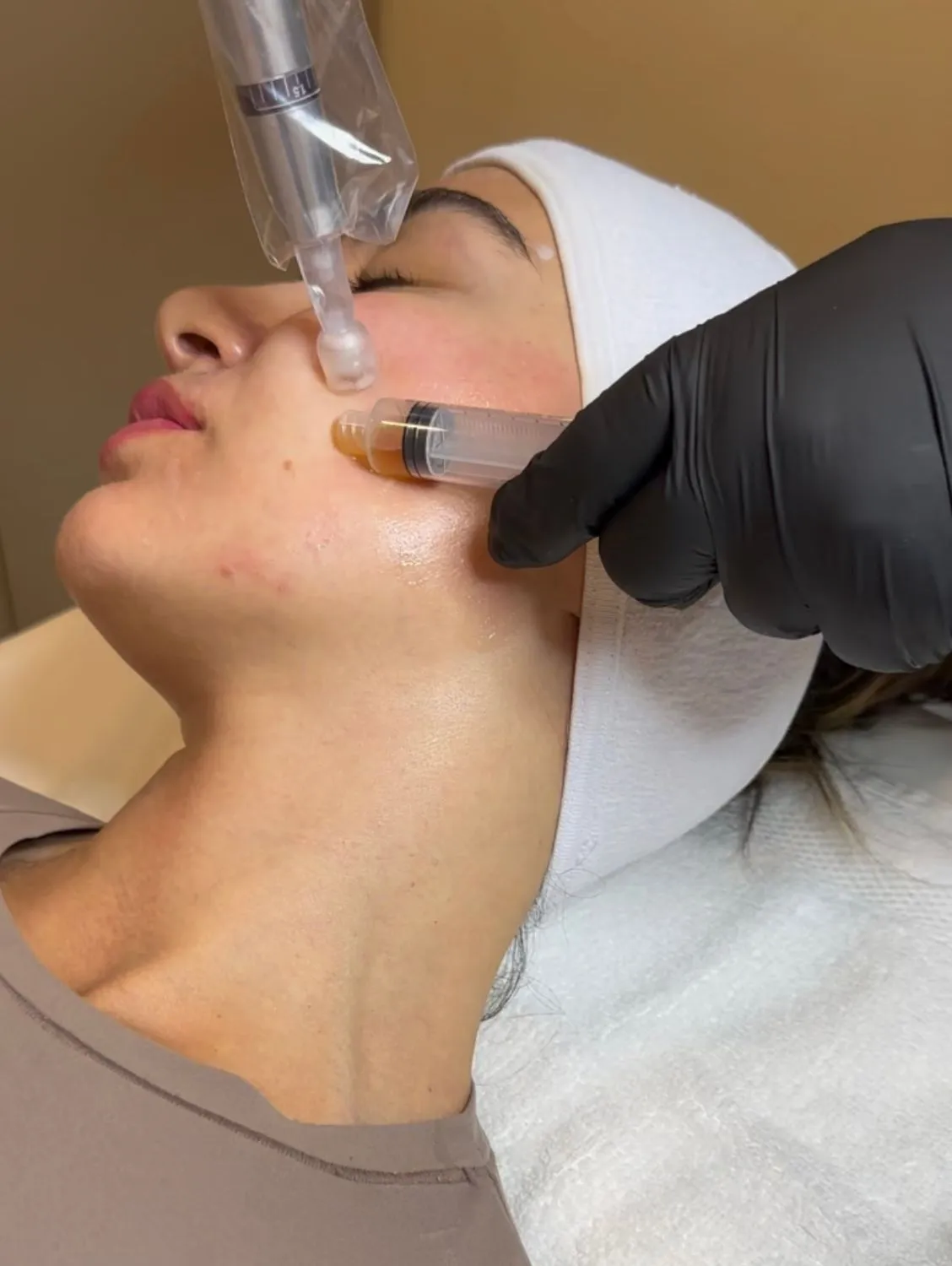
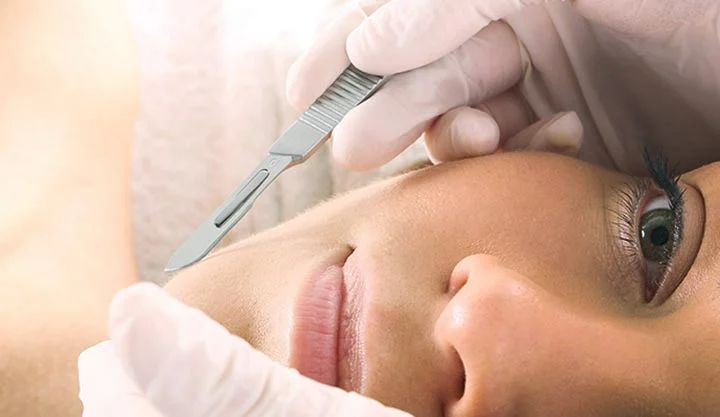
Dermaplaning is primarily an exfoliation treatment. A trained esthetician uses a surgical-grade blade to manually remove dead skin cells from the surface of the face and as part of that process, fine vellus hair (often called peach fuzz) is removed at the same time. The skin left behind is noticeably smoother, brighter, and better able to absorb skincare products.
What dermaplaning is not: a long-term hair removal solution. Hair grows back within 3–4 weeks, and the treatment needs to be repeated to maintain results.
Dermaplaning is a strong fit if you:
- Want smoother texture and a brighter complexion alongside hair removal
- Have fine, light peach fuzz rather than coarser facial hair
- Prefer a low-commitment, no-downtime option
- Are looking to enhance product absorption and makeup application
- Want to add it to an existing facial appointment
Laser Hair Removal Targets the Follicle Not Just the Surface
Laser hair removal in Burbank with the Candela GentleMax Pro Plus, a dual-wavelength device delivers targeted laser energy directly to the hair follicle. The pigment in the follicle absorbs the energy, which disables its ability to regrow hair over time. The result is progressive, long-term reduction rather than surface-level removal.
Because hair grows in cycles, a full series is needed to target follicles during their active growth phase. Most patients achieve significant reduction after 6–8 treatments spaced 4–6 weeks apart. Any hair that does return tends to come back finer and lighter.
For facial hair specifically, laser works best on darker, coarser hair, upper lip, chin, jawline, or sideburns where there’s enough pigment for the laser to target effectively. Very fine, light, or gray facial hair responds less predictably.
For more on what to expect from the process, our article on laser hair removal vs shaving covers the key differences in how each approach works long-term.
The Real Difference Comes Down to What You Want Long-Term
| Treatment | Dermaplaning | Laser Hair Removal |
|---|---|---|
| Primary goal | Exfoliation + peach fuzz removal | Long-term follicle reduction |
| Hair type | Fine vellus hair | Darker, coarser hair |
| Results duration | 3–4 weeks | Long-term after full series |
| Downtime | None | None |
| Sessions needed | Ongoing monthly | 6–8 treatments |
If your main concern is smoother skin texture and you don’t mind maintaining it monthly, dermaplaning is an excellent option. If you’re tired of dealing with the same coarser facial hair every few weeks and want a more permanent solution, laser hair removal is the more targeted choice.
Can You Do Both?
Yes and some clients at The Skinn Suite do exactly that. Laser hair removal addresses coarser, darker hairs on the chin or upper lip, while dermaplaning handles the fine peach fuzz and overall skin texture in between sessions. They don’t interfere with each other as long as treatments are spaced appropriately.
The best way to figure out which approach or combination makes sense for your skin is through a consultation. At The Skinn Suite in Burbank, your provider will assess your hair type, skin tone, and goals to build a plan that actually fits your routine.